Back to all articles
Career Success & Satisfactioncorporate culture
Career Satisfaction Explained | Video Summary — Career Decision
Watch this short video on career satisfaction: key factors, workplace influences and strategies to improve your professional well-being.

Titre de la vidéo: Career Satisfaction: Key Factors and Workplace Insights; Durée:4 min 32 sec; Date de publication: September 30, 2025; Auteur: Driss Elmouden; Niveau: General audience; Langue: English; Miniature (thumbnail): Image représentative haute résolution (1280×720 px minimum)
In this video, Driss Elmouden introduces the concept of career satisfaction — what it means, how it is measured, and what factors most strongly influence how people assess their professional experiences.
Career satisfaction is shaped by a balance of positive and negative workplace factors: autonomy, recognition, workload, role clarity, and alignment with personal values. The video draws on key frameworks from vocational psychology, including the Theory of Work Adjustment and the Five Factor Model, to explain why two individuals in the same job may report very different levels of satisfaction.
This video serves as an accessible entry point to the topic. For a full academic treatment with theoretical models, validated data, and practical implications, read the companion article below.
Video Key Takeaways:
Career satisfaction reflects an individual's subjective assessment of their work experience
Both positive factors (recognition, autonomy) and negative factors (stress, role conflict) shape satisfaction levels
Personal values alignment is a core determinant of long-term career satisfaction
Mid-career workers face specific satisfaction challenges requiring proactive coping strategies
Career satisfaction and career success are related but distinct constructs
"Go Deeper": /blog/career-satisfaction-theoretical-insights-and-practical-implications
From the author
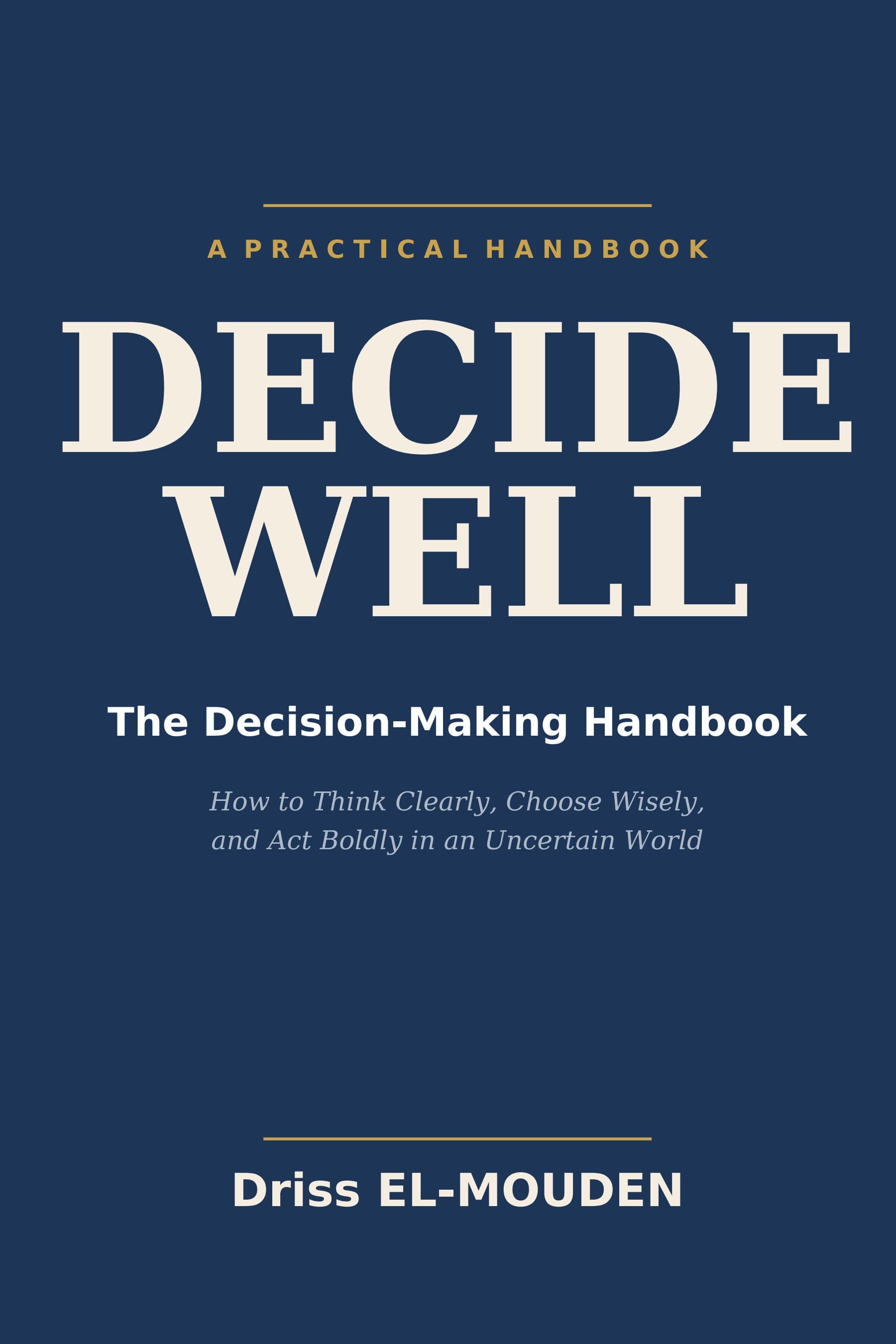
Want to go deeper? Read the book.
Decide Well distills decades of decision science, behavioral economics, and career development research into a repeatable method for making better choices — on paperback and Kindle.