How to Write a Powerful Resume: A Complete Step-by-Step Guide
Preparing a resume is not a passive task. Far more than a simple summary of your life, a well-crafted resume is a strategic document that clearly positions you in your career, highlights your key skills, and shows what you can bring to a future role. This guide walks you through a thoughtful self-assessment process covering your skills (knowledge, know-how, and interpersonal skills), interests, and core values. By reflecting deeply on who you are and what you want, you can create a resume that goes beyond listing experiences — it becomes your professional calling card.

Preparing a resume is not a passive task to be done hastily and without thought. This guide will show you that writing a resume involves a series of steps that will lead you to assess your professional standing and give new momentum to your ambitions.
Although it means “course of life,” a resume is not a summary of your life. Rather, it should clearly position you within your career and highlight your experience, professional skills, and what you can achieve in the future. A resume serves several purposes:
· It requires a methodical review of your current situation, precisely positions you within your career path, and helps you better understand the significance of your past experiences;
· It guides you in identifying and highlighting your skills through concrete examples;
· It prompts you to reflect on your interests and the elements that are essential to them;
· It helps you summarize the key elements of your professional journey and organize them in a coherent manner;
· It helps you recognize what you are capable of and clarify your aspirations;
· It forces you to define your goals precisely;
· It allows you to shift the dynamic with the employer: you are no longer a job seeker but a service provider;
· It sparks interest and makes employers want to meet you for an interview;
· It serves as your professional calling card to employers, acting as a reminder for them after the meeting. It complements your performance in the interview; it is the document they will use to make their decision.
There is no such thing as a perfect resume. Depending on your professional background and the job you’re seeking, it’s up to you to find the format that works best for you. The better you understand who you are and what you want, the easier the steps involved in writing this document will be.
A good resume allows the employer to quickly understand who you are and what you can bring to the company. This document must therefore be an accurate portrait of yourself. This is only possible through the self-knowledge we always claim to possess. Imagine if you were asked to quickly list your strengths—what would you say? If you had to explain your limitations, would you know where to start?
On that note, reflect: who are you? What activities do you find interesting? What do you aspire to in life? Do you have the strengths needed to succeed in that field? Whether you’re just beginning to ask yourself these questions or have already started some form of self-assessment, the following steps will help you approach this process with rigor. They will help you reflect on the different aspects of your personality and understand them clearly.
What does your personal and professional assessment consist of?
There are many ways to talk about yourself. You don’t present yourself the same way to your boss, your friends, or other people. You adopt different styles depending on the circumstances. When job hunting, you need to find the right style to talk about yourself professionally, taking into account your SKILLS, your INTERESTS, and the VALUES that matter most to you. Let’s go over each element of your assessment:
1) SKILLS:
Skills fall into three broad categories: knowledge, know-how, and interpersonal skills.
a) Knowledge is the sum of what you’ve learned through your education, by reading specialized books, or through your professional experience (computer programming, knowledge of 19th-century painters, mechanical engineering, etc.);
b) Skills refer to the competencies you have developed over time and have been able to apply at work or by participating in various extracurricular or professional activities. These may include your organizational or planning abilities, your ease in public speaking, etc.;
c) Interpersonal skills refer to personality traits, commonly known as strengths and weaknesses (generosity, shyness, enthusiasm, etc.). In other words, interpersonal skills are what give your actions a unique character, both personally and professionally.
2)- INTERESTS:
The nature of your interests is of great importance in defining your interests.
3)- VALUES:
These are the set of rules of conduct and attitudes that align with your ideals and that influence, consciously or not, all your actions. Understanding the values you wish to share with others is therefore an essential aspect of your education.
Ready to build your resume? Continue with the 6-step assessment now. Here is the next step:
https://www.decisioncareermap.com/blog/the-6-step-personal-professional-assessment-for-your-resume
From the author
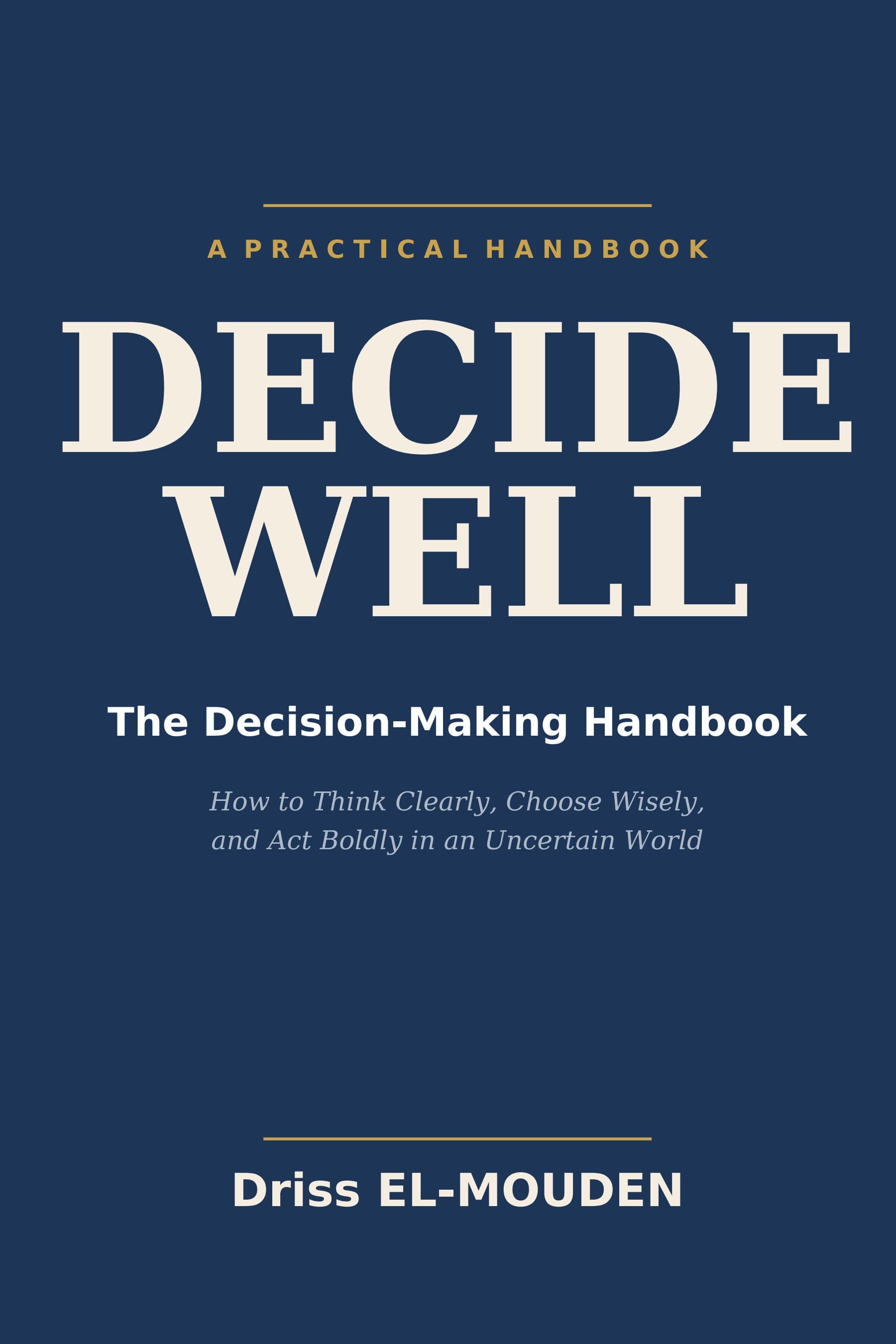
Want to go deeper? Read the book.
Decide Well distills decades of decision science, behavioral economics, and career development research into a repeatable method for making better choices — on paperback and Kindle.